
Red Alert in Germany: How VW's EV Struggle Impacts Your European Car Choices
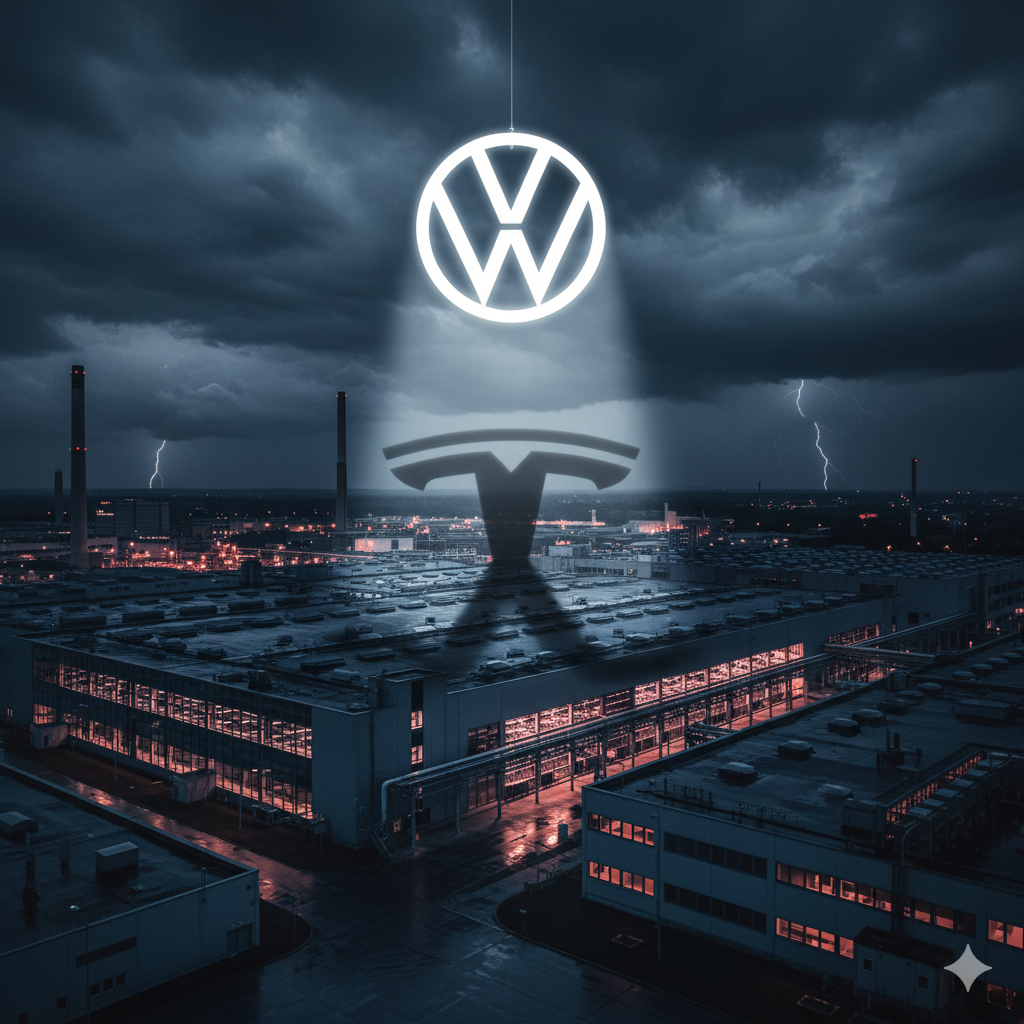
The German automotive sector, once synonymous with precision engineering, is facing a crisis. Giants like **Volkswagen (VW)** are struggling to keep pace with **Tesla** and **China** in the global Electric Vehicle (EV) market. This instability could translate to **less innovation, reduced model variety, or higher prices** for European luxury and volume cars sold in the U.S.
Detailed Analysis: The Electric Transition Hurdle
A report by PwC highlighted that German EV models are lagging significantly behind the **Tesla Model Y** (the global best-seller) in volume. The contributing factors include:
- **Tech Delay:** German companies were slow to focus on software and battery production scale, granting a significant lead to Tesla and Chinese firms.
- **Cost Cutting:** To address plummeting profits, automakers like VW are planning **billions in cuts**, primarily targeting personnel and factory costs, which breeds instability.
- **Lack of Mass-Market Appeal:** VW has struggled to translate its volume success (like the Golf) into an affordable, mass-market EV to compete internationally.
Impact on the American Consumer
The fragility of major European brands has direct implications for the U.S. premium market:
- **Luxury Prices:** The need to regain profit margins could lead to **price increases** on models from Mercedes-Benz and BMW, which are already seen as premium purchases.
- **Quality and Innovation:** Cost-cutting measures at the headquarters could slow down the innovation of future U.S.-bound models or lead to an excessive focus on the most expensive, profitable vehicles.
FAQ: Quick Answers
| Question | Answer |
|---|---|
| **Will German cars get cheaper?** | On the contrary. Financial pressure forces these brands to raise prices in high-value markets like the U.S. to offset losses elsewhere. |
| **Does this affect Mercedes and Audi's US future?** | Yes. Focus may narrow to higher-margin models (large SUVs and high-performance cars), while smaller sedans could be deemphasized. |
Conclusion and Next Steps
The German industry faces a critical choice: rapidly innovate its electric offerings or risk losing relevance in the world's largest luxury car market, the U.S. For the consumer, it means more uncertainty regarding the future quality and pricing of their favorite European vehicles.