Ford's Strategic Pivot: Delaying EVs to Double Down on Hybrids
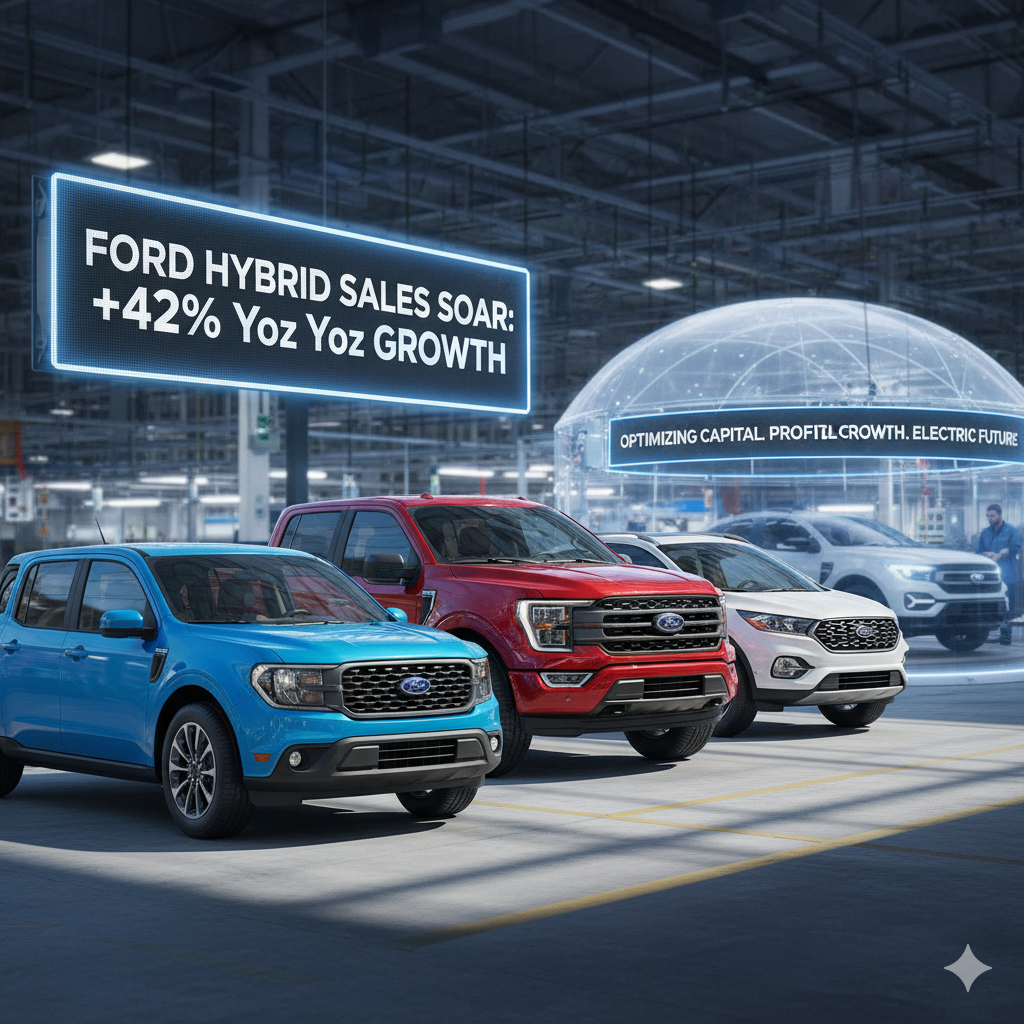
Overview — In a decisive move that reflects a broader recalibration within the auto industry, Ford Motor Company is strategically delaying billions in planned spending on new electric vehicles. Instead, the automaker is diverting resources to significantly expand its hybrid vehicle offerings across its North American lineup. This pivot is not an abandonment of its electric future but a pragmatic response to slower-than-expected EV adoption rates and a clear, present, and profitable consumer demand for hybrid technology.
Reading the Market: A Surge in Hybrid Demand
Ford's decision is firmly rooted in data. The company has witnessed a dramatic spike in hybrid sales, which surged an impressive 42% in 2024. This momentum has continued into 2025, with hybrid sales up another 36% in the first quarter alone. This growth established Ford as the second best-selling hybrid brand in the U.S., trailing only Toyota.
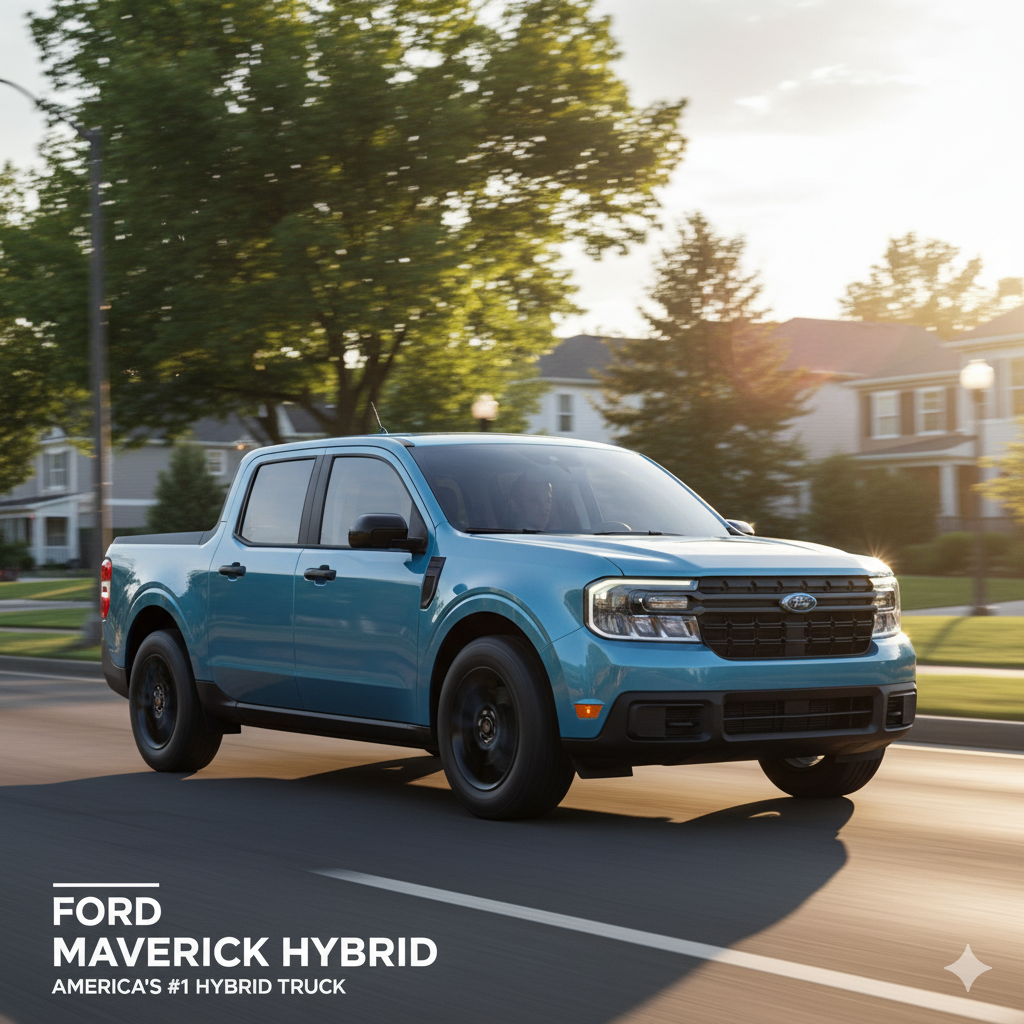
The success is largely attributed to models like the Ford Maverick compact pickup, which has become America's best-selling hybrid truck, and the F-150 PowerBoost, the top-selling full-size hybrid pickup. The demand for these vehicles has consistently outstripped supply, signaling to Ford that a substantial segment of the market is looking for a middle ground between traditional gasoline engines and full electrification.
The EV Rollouts on Pause
The strategic shift involves pressing pause on two major EV initiatives. The most significant delay is a planned three-row electric SUV, which was expected to be a key competitor to vehicles like the Kia EV9 and Hyundai IONIQ 7. Originally slated to begin production at Ford's Oakville, Ontario plant in 2025, its launch has been pushed back to 2027. This delay allows Ford more time for the consumer EV market to mature and for next-generation battery technology to develop further.
Additionally, Ford is postponing its next-generation electric pickup truck, internally codenamed "Project T3." This vehicle, set to be built at the new BlueOval City campus in Tennessee, will now launch in 2026 instead of 2025. This allows the company to refine the truck's engineering and capital plans.
The "Why" Behind the Pivot: Profitability and Pragmatism
Ford's leadership has been transparent about the financial reasoning. The company’s EV division, known as "Model e," has been posting significant financial losses, to the tune of billions of dollars, as it invests heavily in R&D and scales production. CEO Jim Farley has emphasized the need to align capital spending with the pace of consumer demand.
“As the No. 2 EV brand in the U.S., we are committed to scaling a profitable EV business, using capital wisely and bringing to market the right gas, hybrid and fully electric vehicles at the right time,” Farley stated. “Our breakthrough, next-generation EVs will be new from the ground up and fully software-defined, and they’ll be profitable within 12 months of launch.”
By expanding its profitable hybrid lineup, Ford can generate the necessary cash flow to fund its long-term EV ambitions without straining its finances. The company has announced a bold goal: to offer a hybrid powertrain option for every gasoline-powered vehicle in its North American portfolio by the end of the decade.
Outlook: A Bridge to an Electric Future
Ford's recalibration is not unique; other automakers like General Motors and Mercedes-Benz have also adjusted their EV timelines in response to market realities. The consensus is that while the ultimate destination is electric, the journey will be longer and more varied than initially projected. Hybrids are now seen as a critical "bridge technology," offering consumers immediate fuel efficiency gains without the upfront cost and infrastructure concerns associated with pure EVs.
For car buyers, this strategy means more choices in the showroom. In the coming years, expect to see hybrid versions of popular Ford models like the Bronco, Ranger, and Expedition, giving customers a wider spectrum of powertrain options to fit their needs and budget as the industry navigates its most significant transition in a century.
Reporter: Auto Specialist Advice
Information Sources: Ford Motor Company official press releases, The Wall Street Journal, Automotive News, CNBC, Reuters.
Image Suggestions: Ford Media Center (for official vehicle photos), Getty Images (for factory/plant images), Associated Press (for event photos with executives).