Inside the Massive Tesla Autopilot Recall: What's Changing on 2 Million Cars
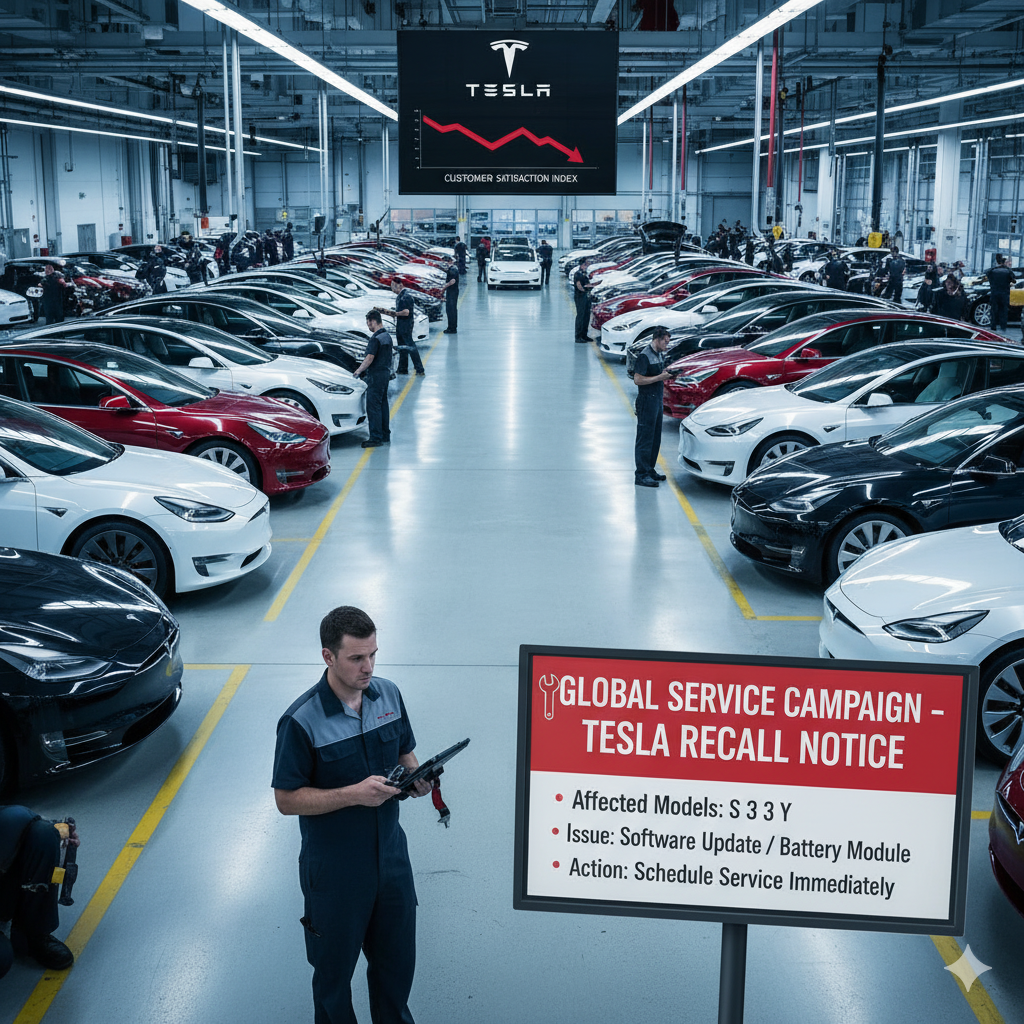
Overview — In one of the largest and most significant vehicle recalls in recent history, Tesla has pushed a mandatory over-the-air (OTA) software update to over 2 million vehicles in the United States. This action addresses critical safety concerns about its Autopilot driver-assistance system, following a multi-year, in-depth investigation by the National Highway Traffic Safety Administration (NHTSA). The core issue is not a mechanical failure, but what regulators have termed the "foreseeable misuse" of the technology by drivers.
The Culmination of a Years-Long Investigation
This recall was not a sudden development. It was the result of a rigorous NHTSA investigation launched in 2021 that analyzed nearly 1,000 accidents, some of them fatal, in which Tesla's Autopilot was engaged. The agency's central finding was that Tesla's system failed to adequately ensure that drivers remained attentive and in control of the vehicle. Regulators concluded that the system's safeguards were too easy to circumvent, creating an unreasonable risk to safety by allowing drivers to become disengaged for extended periods.
While Tesla's official recall statement noted that the company did not agree with NHTSA's analysis, it complied with the agency's request to issue the recall and implement the corrective software update.
What the OTA Software Update Actually Changes
The mandatory update is designed to add more "guardrails" to Autopilot's Autosteer feature, making it more difficult for drivers to misuse the system. The key changes include:
- Stricter Engagement Checks: The system will now perform more rigorous checks to confirm the driver is paying attention *before* Autosteer can be activated or re-engaged.
- More Insistent Alerts: Visual and audible alerts that prompt the driver to place their hands on the steering wheel will be more frequent and prominent, especially when the system detects the driver is not responsive.
- Use of the In-Cabin Camera: The update will make greater use of the in-cabin camera to monitor the driver for signs of inattentiveness, such as looking away from the road or using a phone.
- "Autopilot Suspension": This is the most significant change. If a driver repeatedly fails to respond to the system's warnings, they will be "suspended" from using Autosteer for that drive cycle. This "strikeout" feature is a direct measure to curb inattentiveness.
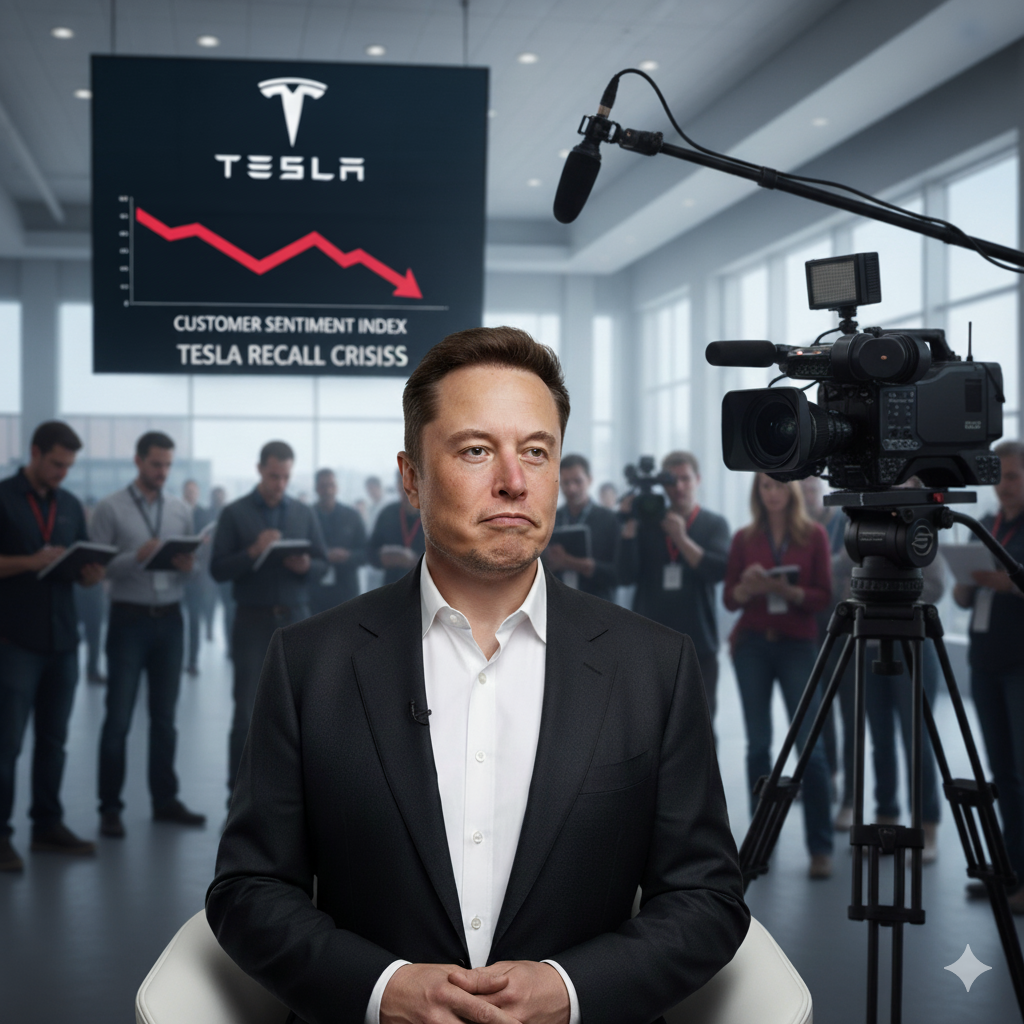
The Ongoing Debate: "Autopilot" vs. Driver Assist
This recall has reignited the intense debate over the branding and capabilities of advanced driver-assistance systems (ADAS). Safety advocates and critics have long argued that the very name "Autopilot"—and the even more ambitious "Full Self-Driving" moniker—can be dangerously misleading, implying a level of autonomy that the systems do not possess.
"This recall is a critical step in addressing a known safety defect, but the larger issue of misleading marketing remains," said a representative from a leading automotive safety group. "These are Level 2 systems that require the driver's full and undivided attention at all times. The technology and the terminology used to describe it must reinforce that reality."
Level 2 systems, like Autopilot, can control steering and speed simultaneously but require constant human supervision. The challenge lies in managing the human factor—preventing the very automation from lulling the driver into a false sense of security.
Outlook
The recall affects nearly every Tesla sold in the U.S. with Autopilot, including Model S, 3, X, and Y vehicles manufactured between 2012 and 2024. While the OTA update addresses the immediate concerns raised by NHTSA, it also marks a pivotal moment in the evolution of automotive technology. It underscores the immense responsibility automakers have, not just in developing innovative features, but in deploying them with robust safeguards that account for real-world human behavior. The outcome of this recall will undoubtedly influence the future of ADAS regulation and development for the entire industry.
Reporter: Auto Specialist Advice
Information Sources: National Highway Traffic Safety Administration (NHTSA) official recall documents, Associated Press, Reuters, Consumer Reports, Tesla's official recall filing.
Image Suggestions: NHTSA press materials, official Tesla images of their vehicle interiors, stock photos representing driver monitoring.